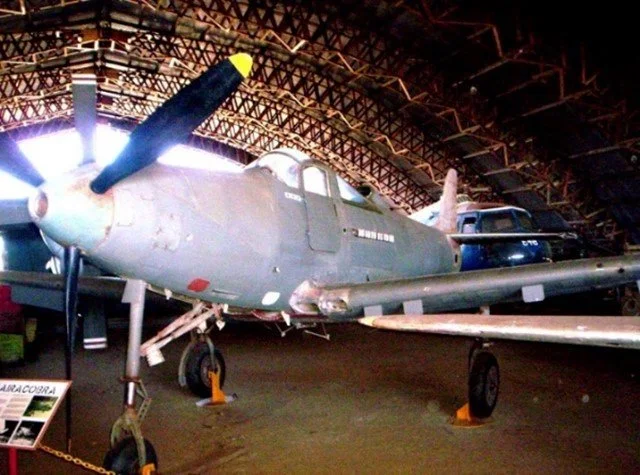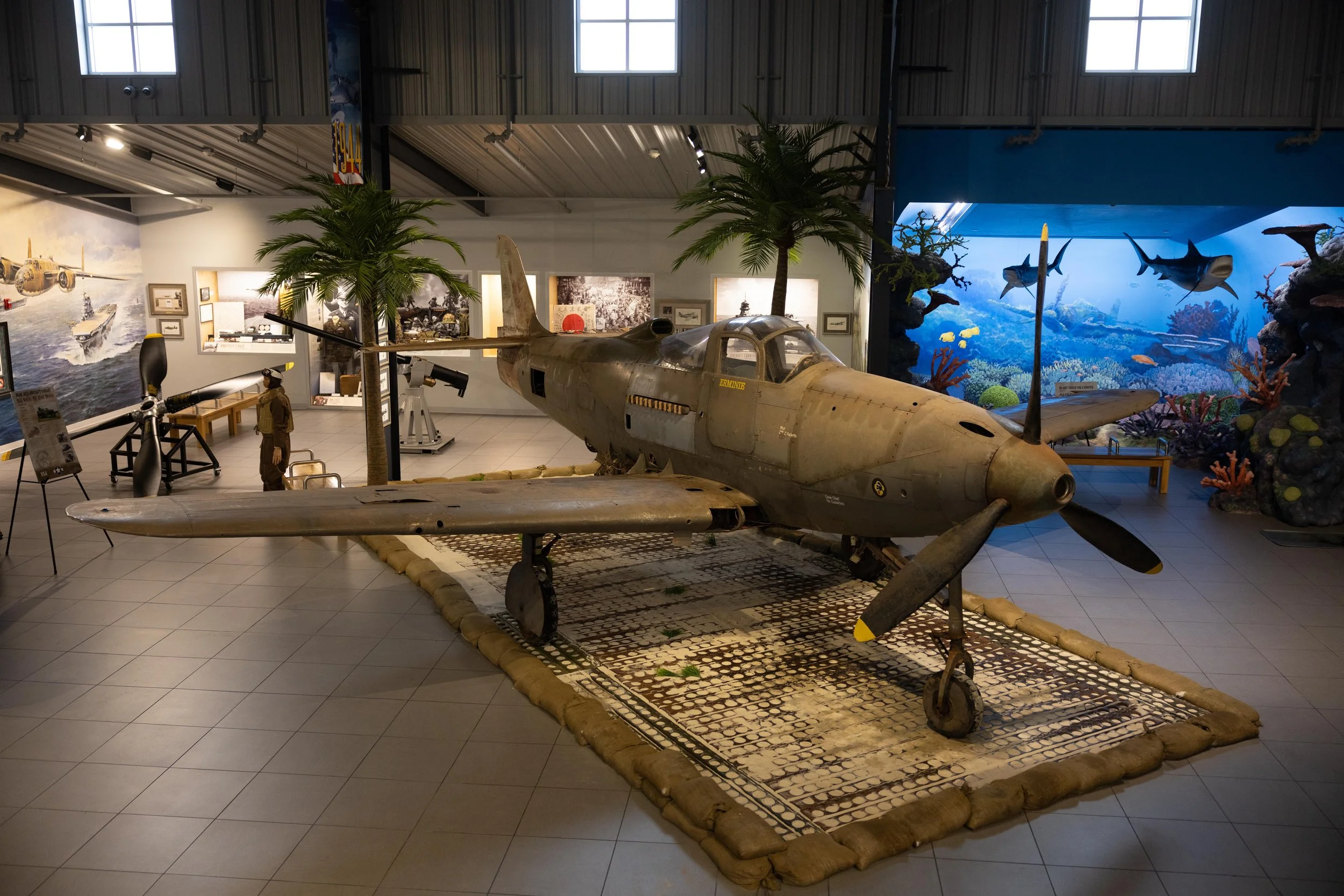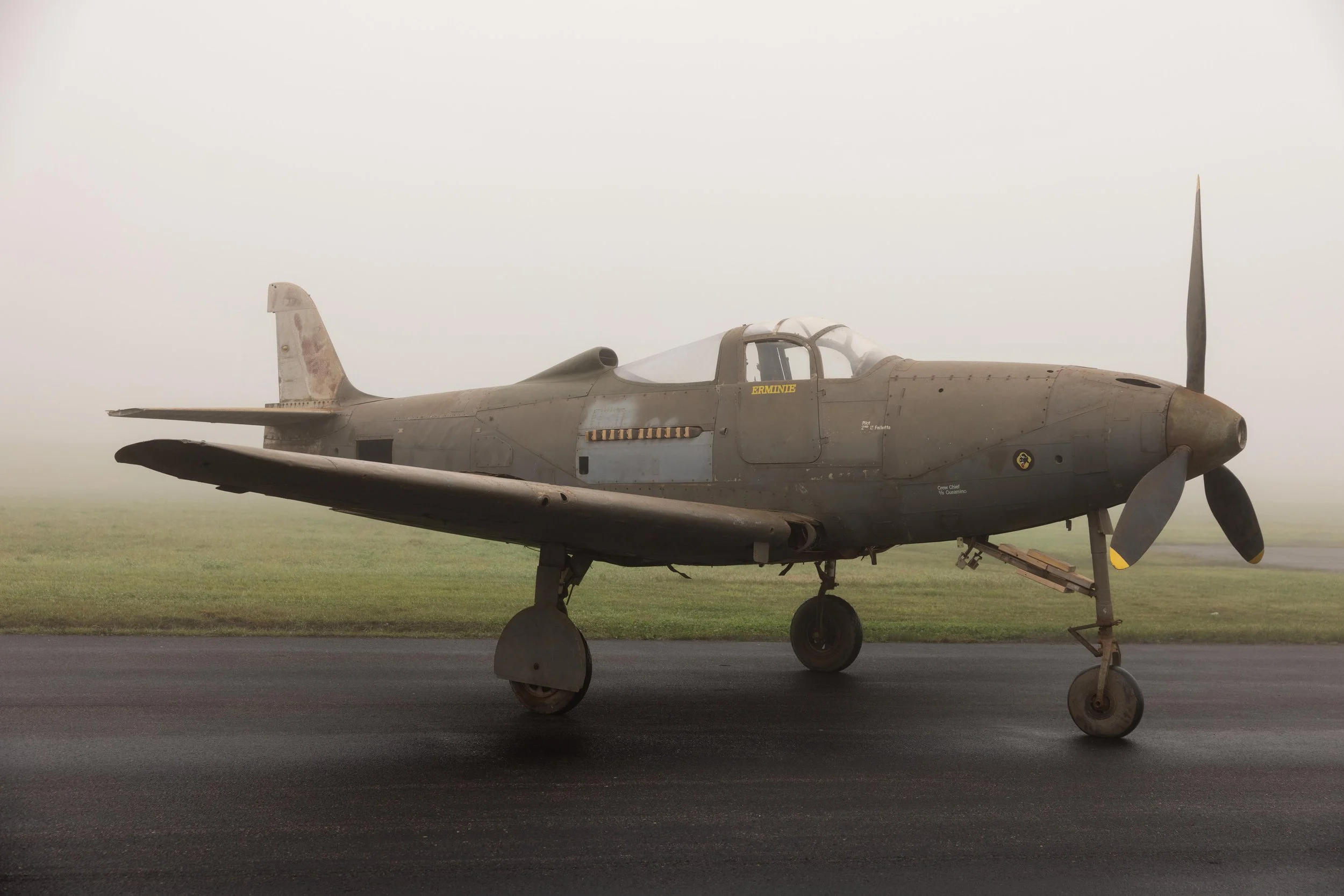
Bell P-39D Airacobra
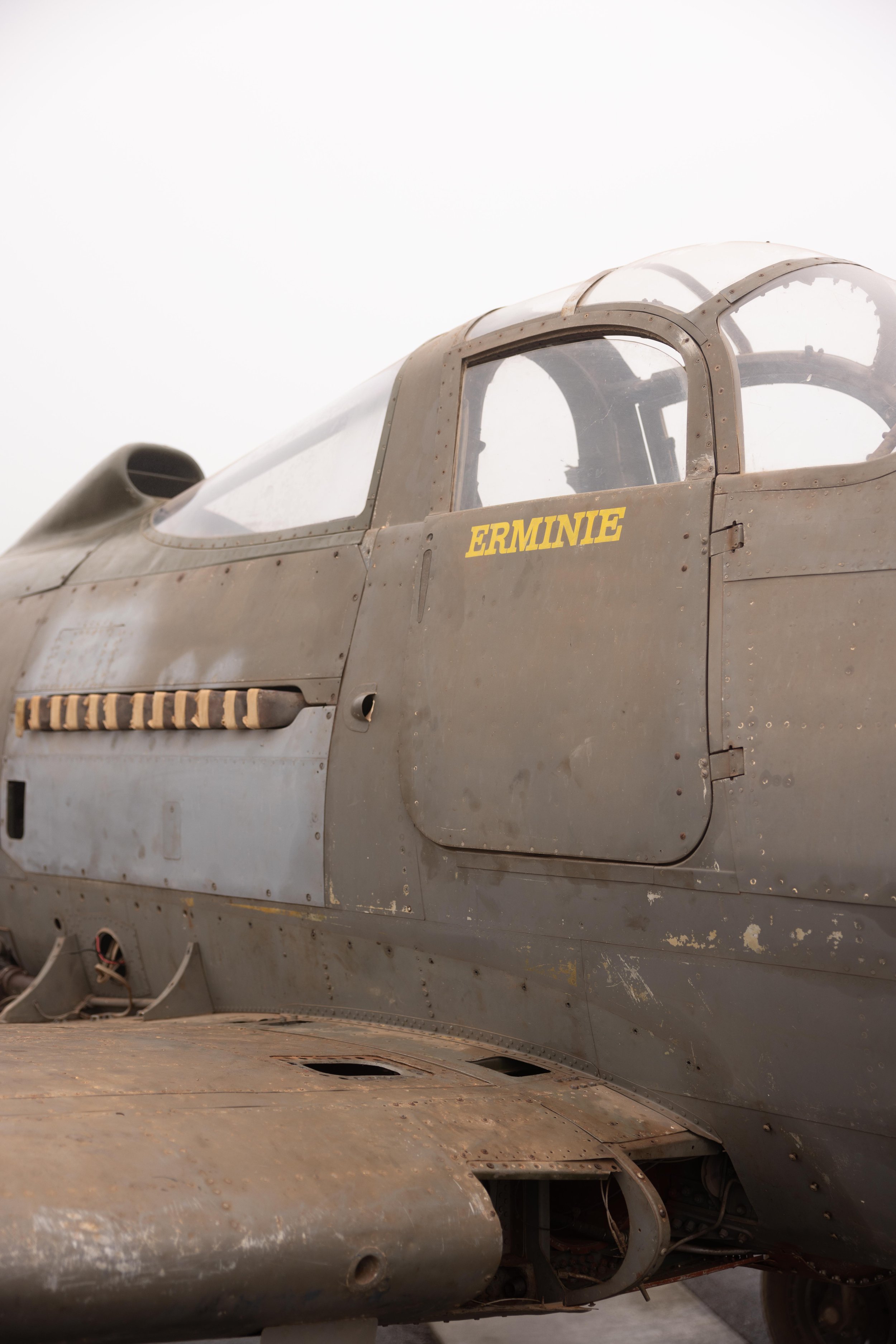
Erminie
The Story of P-39D Airacobra 41-6951
Manufactured in 1941 by Bell Aircraft in Buffalo, New York, 41-6951 was delivered to the United States Army Air Forces at a critical moment. The nation had just entered World War II, and Allied forces were urgently mobilizing to halt Japanese expansion across the Pacific.
Assigned to the 8th Pursuit Group, 36th Pursuit Squadron, the aircraft, named “Erminie” —was deployed to the Southwest Pacific. There, it became part of the early effort to establish an American fighter presence in New Guinea, a campaign defined by limited resources, harsh conditions, and constant pressure from advancing enemy forces.
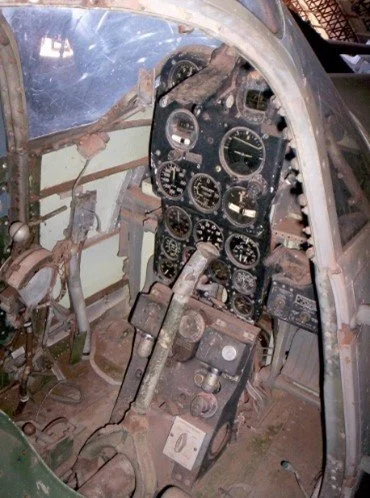
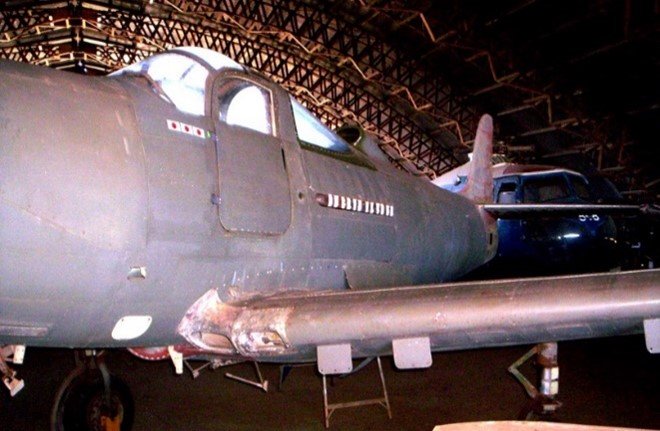
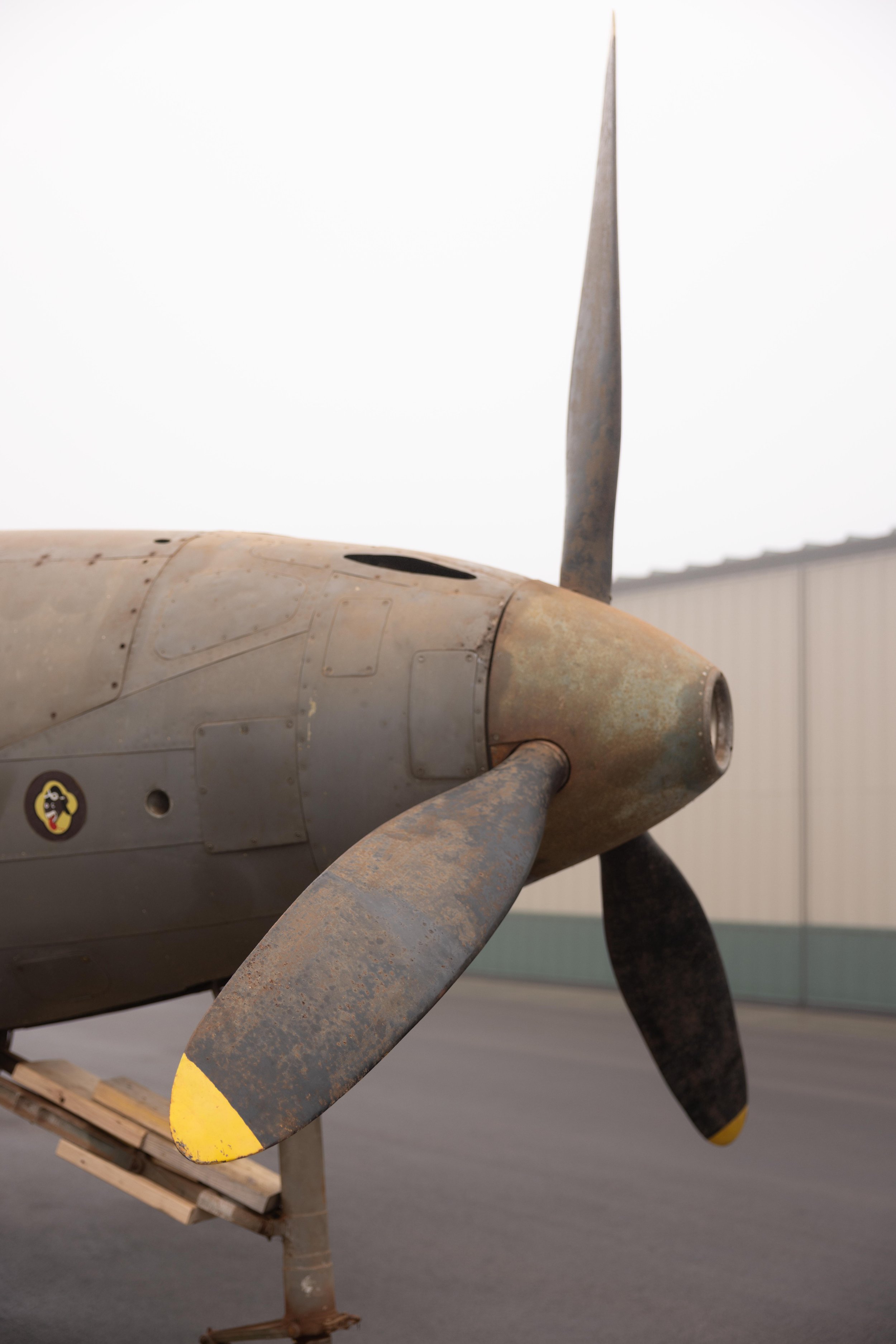
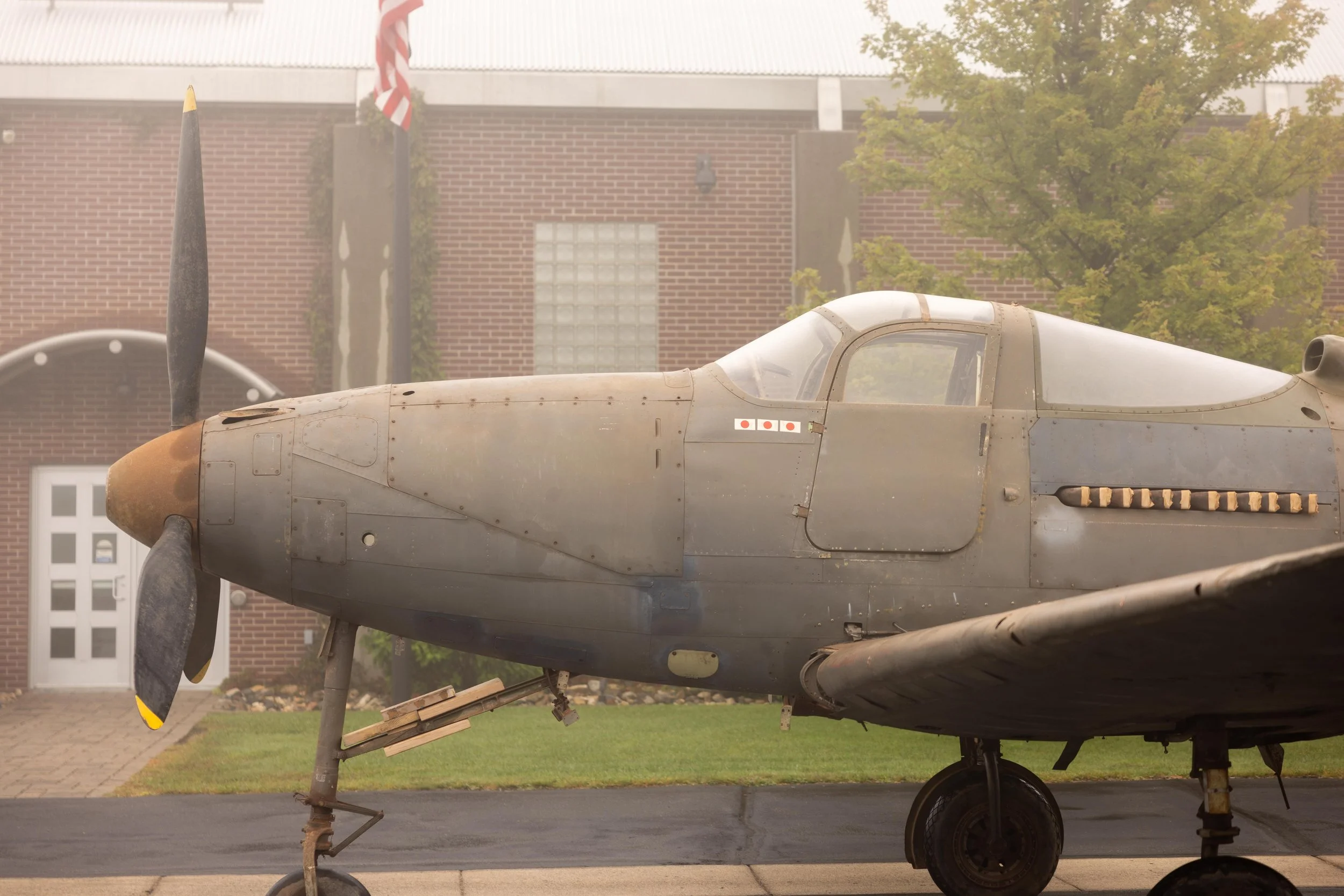
The Bell P-39 Airacobra itself was unconventional. With its engine mounted behind the pilot and a 37mm cannon firing through the propeller hub, the Airacobra was designed for aggressive, low-altitude combat. While it lacked high-altitude performance, it proved effective in the rugged, close-range fighting typical of the Pacific theater.
A Mission Interrupted
On May 1, 1942, 41-6951 departed Townsville, Australia, as part of a formation bound for Port Moresby, New Guinea—then one of the most strategically important Allied outposts in the region. The mission was a routine ferry flight, but conditions quickly deteriorated.
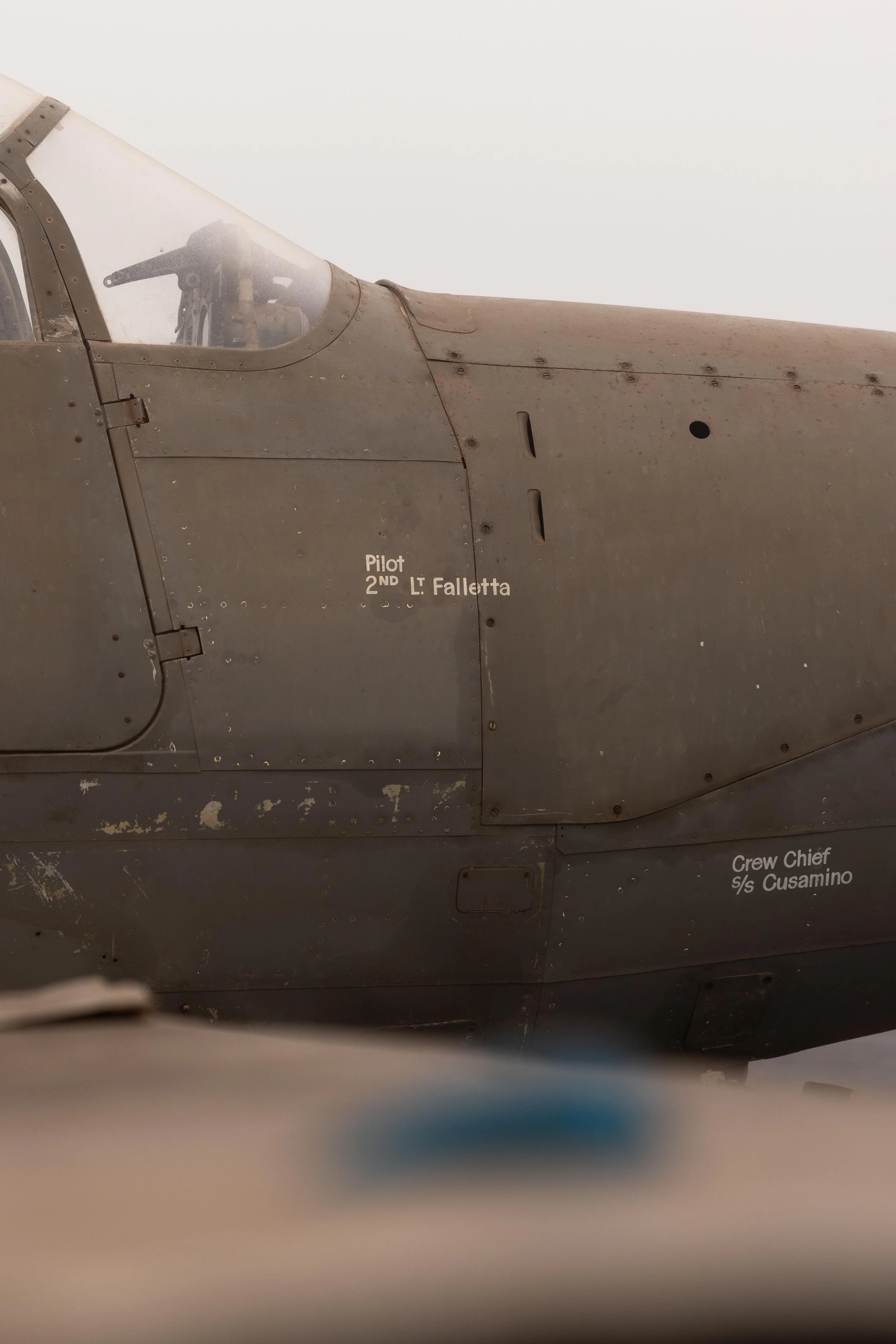
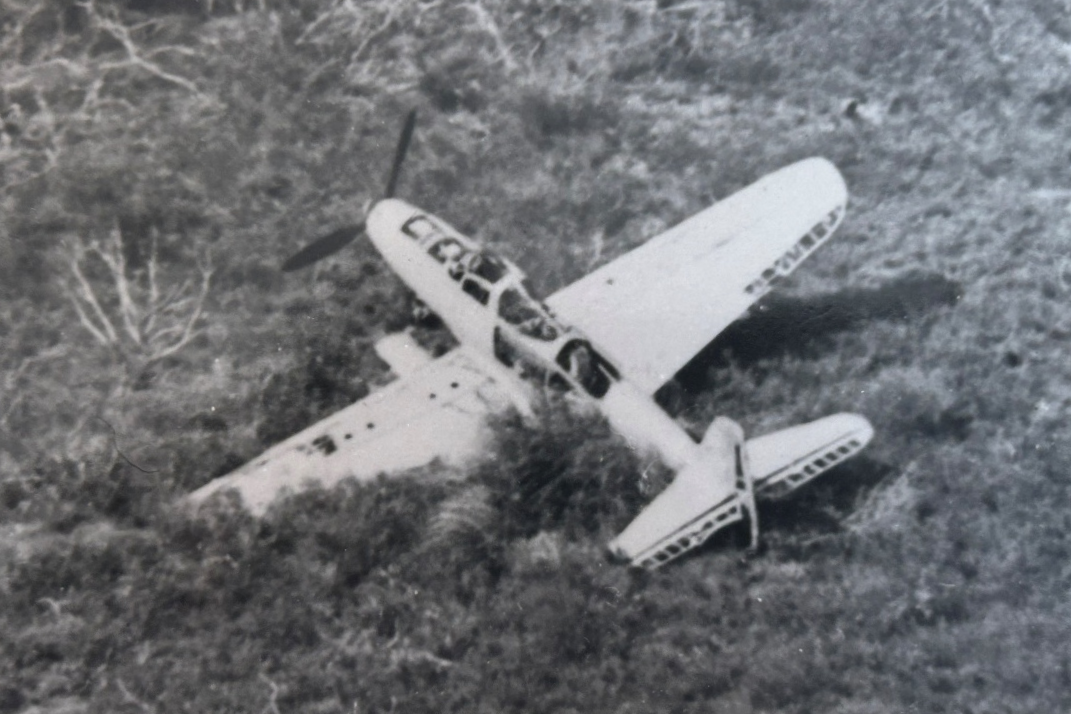
Encountering severe weather over remote northern Australia, the formation was forced to scatter. Pilot Lieutenant Charles Faletta made the decision to bring the aircraft down near Weipa, Queensland. During the emergency landing, the aircraft struck rough terrain and the landing gear collapsed, leaving it disabled in the wilderness.
Faletta survived the crash. In an extraordinary act of endurance, he trekked through the remote landscape for two days before reaching safety. The aircraft, however, was left behind—abandoned to the elements in one of the most isolated regions of Australia.
Lost to Time
For decades, the wreck of 41-6951 remained undisturbed. Hidden in dense vegetation and far removed from established routes, it became a silent relic of the early Pacific war. Unlike many combat losses that were salvaged or destroyed, this aircraft endured largely intact—shielded by its isolation.
When it was rediscovered in the late 1950s and early 1960s, it offered something rare: a remarkably preserved snapshot of a wartime aircraft as it had been left in 1942. Artifacts, structural details, and even elements of its original configuration remained, providing historians and recovery teams with valuable insight into the aircraft and its operational context.
In 1972, a dedicated recovery effort brought the aircraft out of the wilderness. The process reflected the growing global interest in preserving World War II aviation history—an effort driven not only by collectors, but by a recognition of the aircraft’s historical value.
Following its recovery, 41-6951 was preserved in Australia for decades as part of the Beck Military Collection in Mareeba, Queensland. There, it stood as a rare example of an early-production P-39 and a tangible link to the Pacific theater.
After the closure of the collection in the mid-2010s, the aircraft found a new home in the United States.
At Fagen Fighters WWII Museum
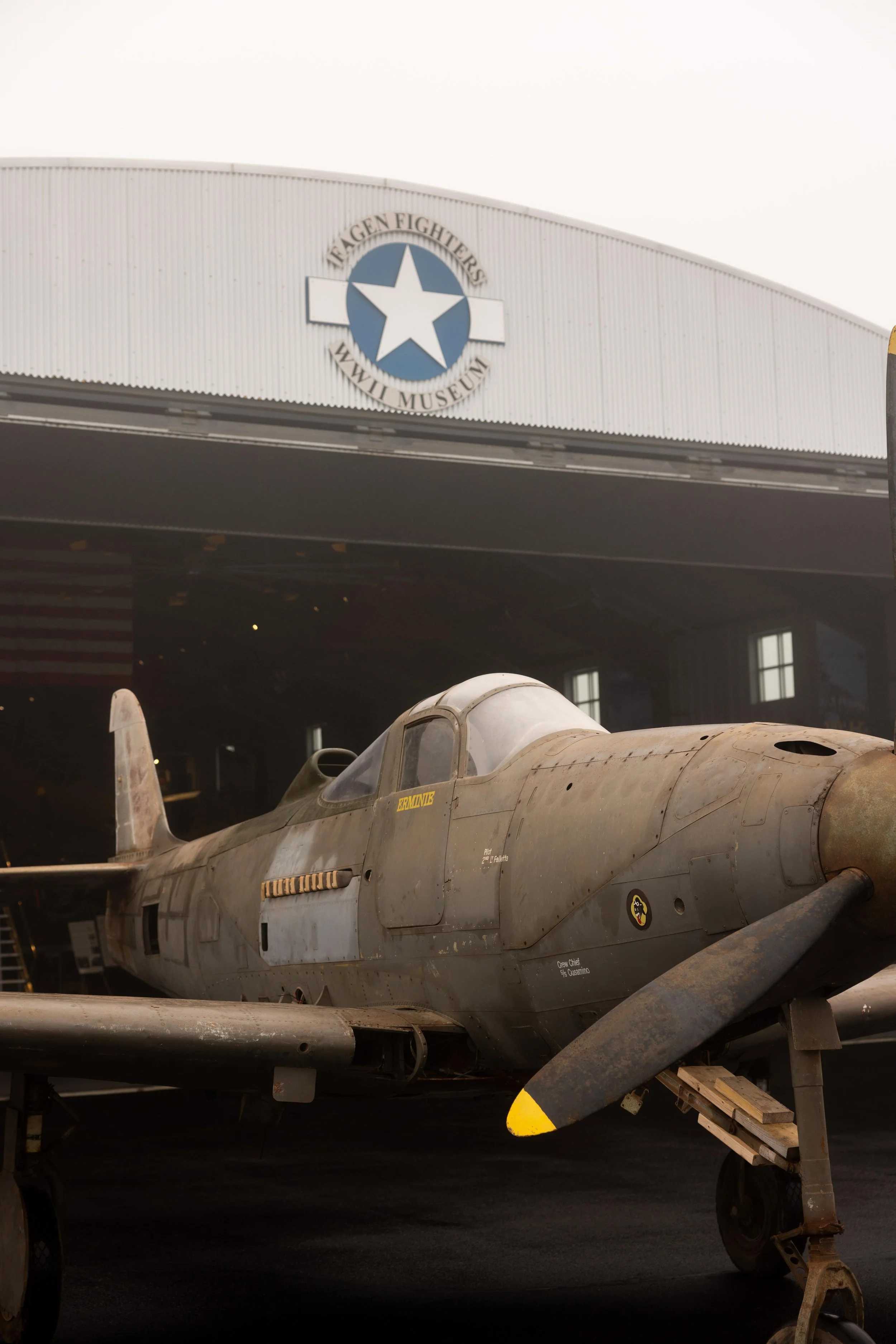
Today, P-39D Airacobra 41-6951 resides at the Fagen Fighters WWII Museum, where it continues its journey—not merely as a relic, but as a living historic time capsule. While currently preserved as a static display, this aircraft will eventually be restored to flying condition, allowing visitors to see history fly.
P-39 Airacobra, 41-6951, provides a direct connection to the brave individuals who flew them. At Fagen Fighters, we are committed to keeping these stories—and these aircraft—alive for future generations.